09:30Registration & Welcome Coffee
09:45Opening Remarks
Moderator: M.C.: Margarita Pournara, Journalist, Kathimerini
09:50Keynote Session: Europe's NatCat Reality Check
As climate-driven risks intensify across Europe, the gap between economic losses and insured protection continues to widen. Drawing on insights from the EIOPA Insurance Protection Gap Dashboard, this keynote will provide a clear-eyed assessment of Europe's exposure to natural catastrophes and the structural challenges facing the insurance ecosystem. From affordability and insurability to the role of public–private partnerships, the session will explore what must change to build a more resilient and better-protected Europe.
Speaker:
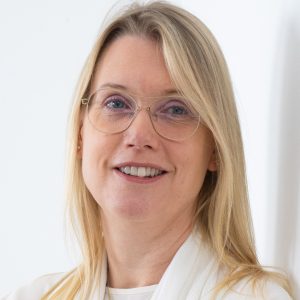 Petra HielkemaChairperson, EIOPA (European Insurance and Occupational Pensions Authority)
Moderator: Elias Bellos, Senior Business Editor, Kathimerini
10:10Islands on the Frontline: Climate Risk, Civil Protection and National Resilience
As climate-related disasters increasingly impact coastal and island regions, Greece faces growing challenges in protecting critical infrastructure, tourism, local economies and communities. This discussion will explore the country's preparedness strategy, the role of ports and maritime networks, and the importance of building resilient island ecosystems in an era of escalating climate risk.
Speaker:
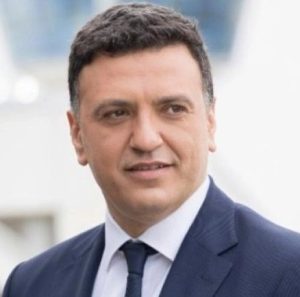 Vasilis KikiliasMinister of Maritime Affairs and Insular Policy of the Hellenic Republic
Moderator: Elias Bellos, Senior Business Editor, Kathimerini
10:25Keynote Session: Closing the Protection Gap in Greece: A Supervisory View
As natural catastrophe risks intensify, Greece faces a widening gap between economic losses and insured coverage. This keynote will explore the supervisory perspective on strengthening market resilience, enhancing risk awareness, and advancing solutions that can narrow the protection gap and support a more sustainable insurance framework.
Speaker:
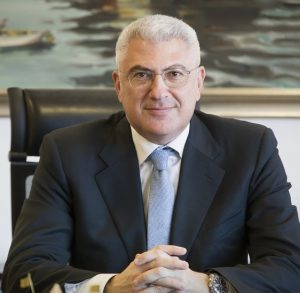 Stavros KonstantasDirector, Private Insurance Supervision Directorate, Bank of Greece
Moderator: Nicholas Morakis, Chief Editor, Insurance Daily
10:40Predicting Disasters: Space Technology, Earth Observation and the Future of Risk Intelligence
From satellite monitoring to geological analysis and real-time environmental data, science is transforming the way societies understand and manage natural catastrophes. This panel will explore how space technologies, predictive systems and geoscience research can improve preparedness, early warning and long-term resilience against climate and geological risks.
Speakers:
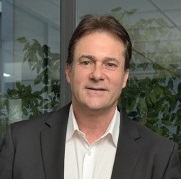 Charalampos KontoesResearch Director, National Observatory of Athens
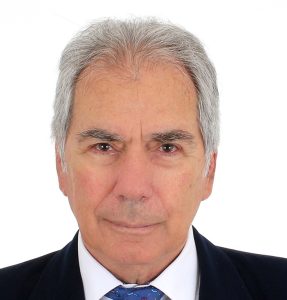 Emmanuel RammosPresident, Hellenic Space Center
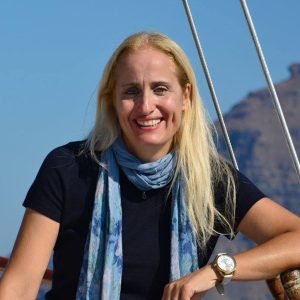 Paraskevi NomikouProfessor of Geology & Geoenvironment, National and Kapodistrian University of Athens
Moderator: Athanasios Katsikidis, Columnist, Kathimerini
10:55Keynote Session: From Compensation to Prevention: The New Role of Insurance in Climate Risk
This keynote will explore how the insurance industry is evolving beyond traditional compensation mechanisms toward a broader role focused on prevention, preparedness and long-term resilience. As climate risks intensify across Europe, insurers are increasingly becoming strategic partners in helping societies anticipate, manage and reduce catastrophe exposure.
Speaker:
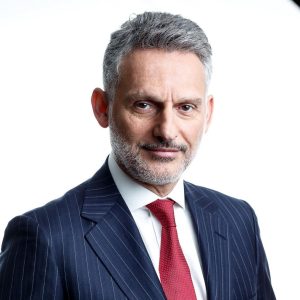 Dimitris MazarakisVice President Hellenic Association of Insurance Companies & CEO ETHNIKI Insurance
Moderator: Nicholas Morakis, Chief Editor, Insurance Daily
11:25Cities on the Frontline: Managing Risk at the Local Level
Local authorities are often the first to respond when natural catastrophes strike—and the ones responsible for rebuilding in their aftermath. This panel will bring together municipal leaders to share firsthand experiences of managing risk on the ground, from preparedness and emergency response to recovery and long-term resilience. The discussion will highlight the challenges cities face, the lessons learned from recent events, and the practical steps needed to better protect local communities and economies.
Speakers:
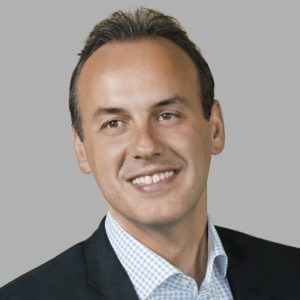 Giorgos PapanikolaouMayor of Glyfada
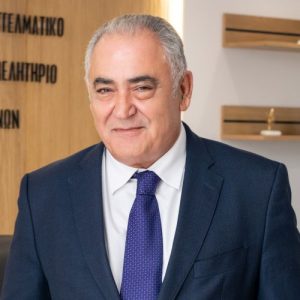 Ioannis ChatzitheodosiouPresident, Athens Chamber of Tradesmen
Moderator: Margarita Pournara, Journalist, Kathimerini
11:55Smart Cities, Safer Societies: The Role of AI and Data in Climate Risk Management
Artificial intelligence, predictive analytics and digital platforms are reshaping how countries anticipate and respond to natural catastrophes. This keynote will examine how data-driven governance can improve early warning systems, coordination and public protection in an increasingly volatile environment.
Speaker:
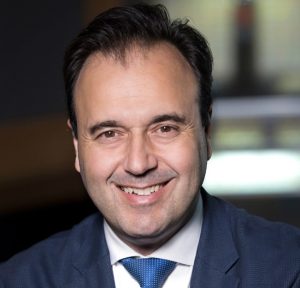 Dimitris PapastergiouMinister of Digital Governance of the Hellenic Republic
Moderator: Thelma Chatziathanasiou, Journalist, Kathimerini
12:10Coffee Break
12:40Designing for Disasters: Infrastructure, Risk and Prevention
As natural hazards intensify, the way we design and build infrastructure becomes critical to reducing their impact. This panel will explore how scientific insight and engineering practice can come together to better anticipate risks, strengthen resilience, and prevent losses. From risk assessment and land-use planning to construction standards and long-term adaptation, the discussion will focus on how infrastructure can shift from vulnerability to preparedness in the face of growing natural catastrophe threats.
Speakers:
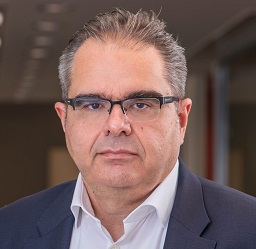 Panos KouvalisChief Operations Officer (COO), Interamerican Group
 Peter HangenHead of Construction, Starr Europe Insurance Limited
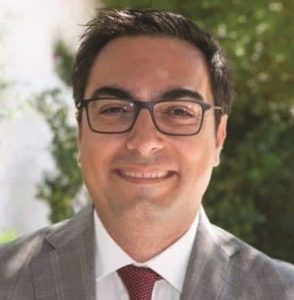 Nikos GavrilisCommunications Manager, HIBA
Moderator: Matina Charkoftaki, Journalist, Kathimerini
13:20Sharing the Risk: The Role of Public and Private Sectors in Natural Disasters
Natural catastrophes are increasingly testing the limits of both governments and insurance markets. As risks grow in scale and complexity, neither side can act alone. This panel will explore how public and private sectors can work together more effectively to share risk, expand protection, and support faster recovery. From compensation mechanisms and insurance coverage to prevention and resilience planning, the discussion will highlight what works—and what needs to evolve.
Speakers:
 Christos DimasMinister of Infrastructure and Transport of the Hellenic Republic
 Sabine-Marie EldracherConsultant, Climate Change Solutions Advisory, Strategy & Innovation, Munich Re
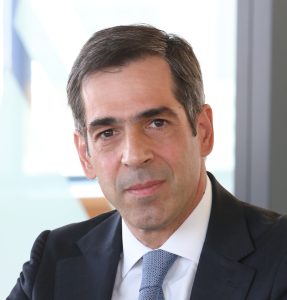 Errikos MoatsosChief Executive Officer (CEO), ERGO Insurance Greece
Moderator: Thelma Chatziathanasiou, Journalist, Kathimerini
13:50Public Awareness & Risk Culture: Mapping Natural Catastrophe Risks in Greece
Effective disaster management depends not only on infrastructure and institutions, but also on public awareness, societal behavior and a deeper understanding of where and how natural catastrophes occur. This session will explore how data, scientific research, technology and modern risk mapping methodologies can help identify vulnerabilities, improve preparedness and strengthen resilience across Greece.
Speakers:
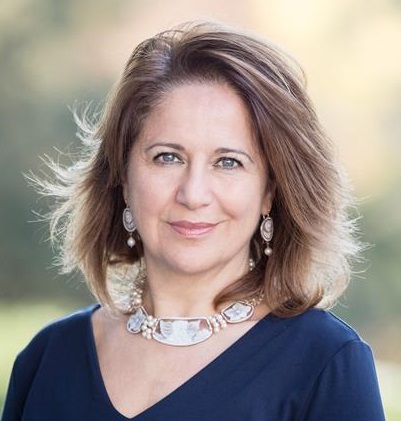 Lucia BevereSenior Catastrophe Data Analyst & Vice President, Swiss Re Institute
 Konstantinos CartalisProfessor of Environmental & Climate Physics, National and Kapodistrian University of Athens
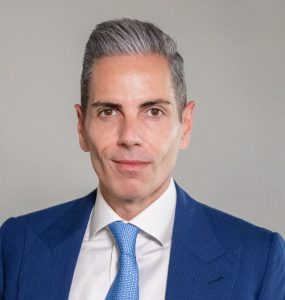 Apostolos AilamakisGeneral Manager, Chief Strategy & Transformation Officer, Ethniki Insurance
 Grigoris KonstantellosMayor of Vari–Voula–Vouliagmeni
Moderator: Nikos Morakis, Chief Editor, Insurance Daily
14:30Lunch Break
15:15Understanding Greece's Natural Catastrophe Landscape
Understanding where and how natural catastrophes occur is key to effective prevention and risk management. This panel will explore the geographic and data-driven mapping of natural risks across Greece, highlighting patterns, vulnerabilities, and emerging trends. By bringing together expertise from science, policy, and insurance, the discussion will focus on how better data and risk modeling can support preparedness, decision-making, and more targeted protection strategies.
Speakers:
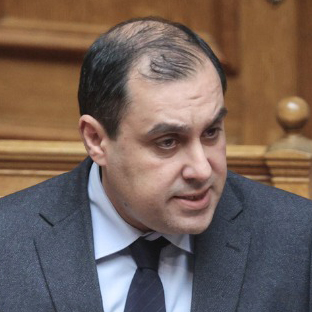 Kostas KatsafadosDeputy Minister - Ministry for Climate Crisis and Civil Protection
 Miltiadis NektariosProfessor of Insurance and Risk Management, University of Piraeus
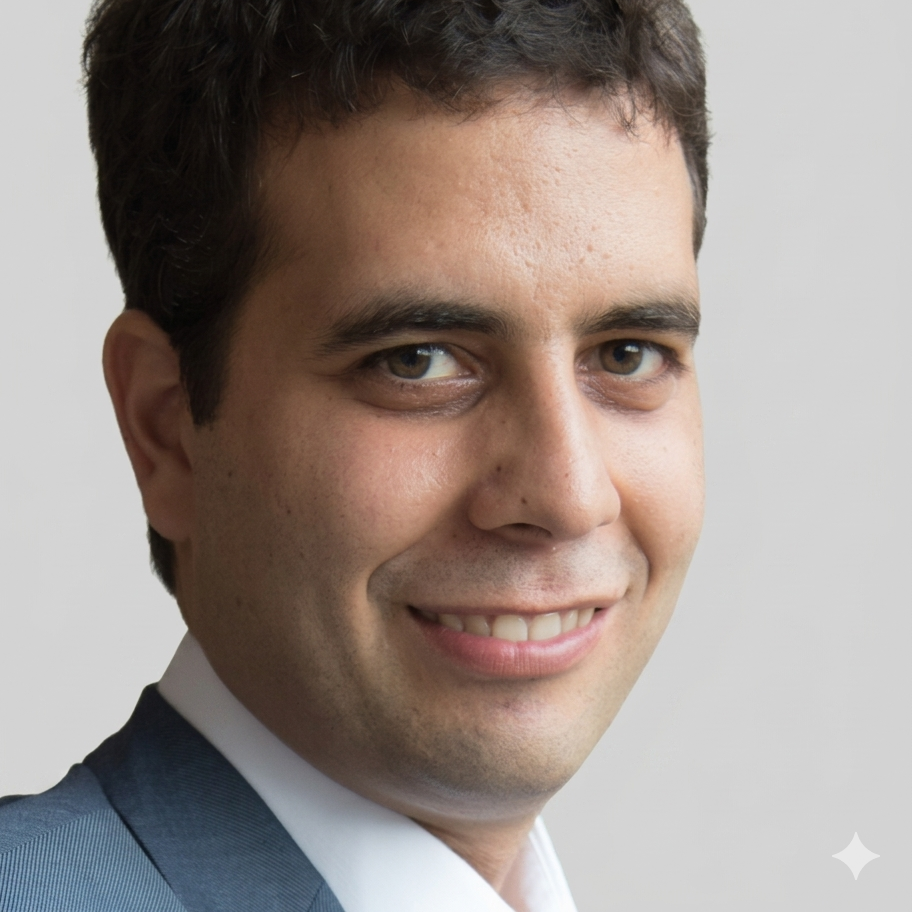 Demosthenis TsakniasFlood Research Leader, UK & EMEA, AON
Moderator: Matina Charkoftaki, Journalist, Kathimerini
15:45Water, Climate and Resilience: Protecting Critical Infrastructure in a Changing World
Climate change is placing unprecedented pressure on water resources, infrastructure systems and economic activity. This session will explore how environmental security, climate risk assessment and resilient infrastructure planning can help societies adapt to a future shaped by greater uncertainty and more frequent natural catastrophes. Public institutions, businesses and infrastructure operators must work together to strengthen preparedness, reduce vulnerabilities and build long-term resilience.
Speakers:
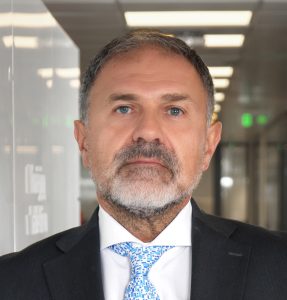 Konstantinos SemertzoglouManaging Director, HDI Global SE
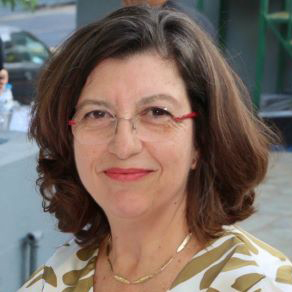 Katerina PanagopoulouChief Risk Officer, EYDAP
Moderator: Margarita Pournara, Journalist, Kathimerini
16:15Public Infrastructure Under Stress
Public infrastructure is increasingly exposed to the growing intensity and frequency of natural catastrophes. From transport networks and energy systems to water and urban services, the pressure on critical assets is mounting. This session will examine the vulnerabilities of public infrastructure, the economic and social consequences of disruption, and the urgent need for investment in resilience. The discussion will focus on how governments and stakeholders can strengthen infrastructure systems to withstand future shocks and ensure continuity for communities and economies.
Speakers:
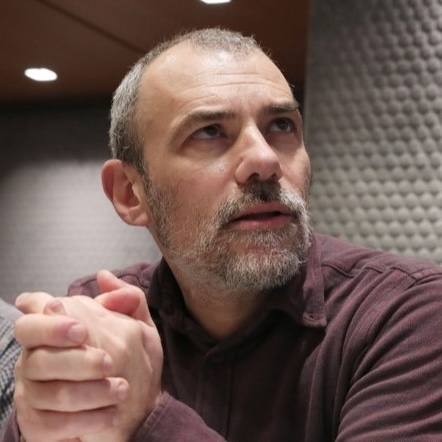 Stavros DimopoulosFUEDI Special Envoy
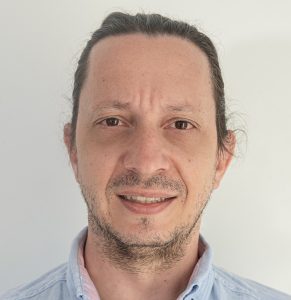 Alexandros StefanakisAssociate Professor at the School of Chemical and Environmental Engineering, Technical University of Crete, Director of the Laboratory of Environmental Engineering and Management
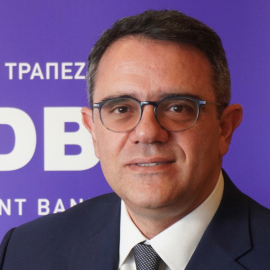 Constantinos AngelopoulosGeneral Director of Financial Products, Hellenic Development Bank (HDB)
Moderator: Christos Gavalas, Journalist, MoraxMedia
16:35The Economics of Natural Catastrophes
Natural catastrophes are no longer just environmental events—they are major economic shocks with far-reaching consequences. This panel will explore the financial impact of disasters, from direct losses and insurance payouts to broader effects on public finances, investment, and economic growth. Bringing together perspectives from insurance, policy, and business, the discussion will focus on how economies can better absorb, finance, and mitigate the rising cost of climate-related risks.
Speakers:
 Aikaterini OikonomouGeneral Secretary of Public Investment Program and National Development Program (PDE & EPA), Ministry of Economy and Finance, Hellenic Republic
- Panagiotis HasapisExecutive Vice President, The Greek Exporters Association (SEVE)
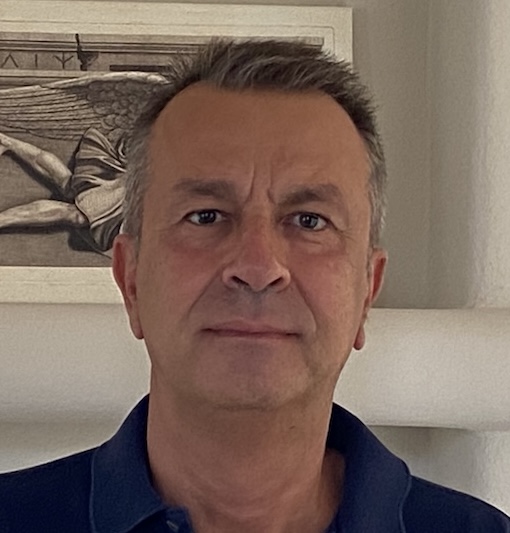 Kostas LagouvardosResearch Director, National Observatory of Athens
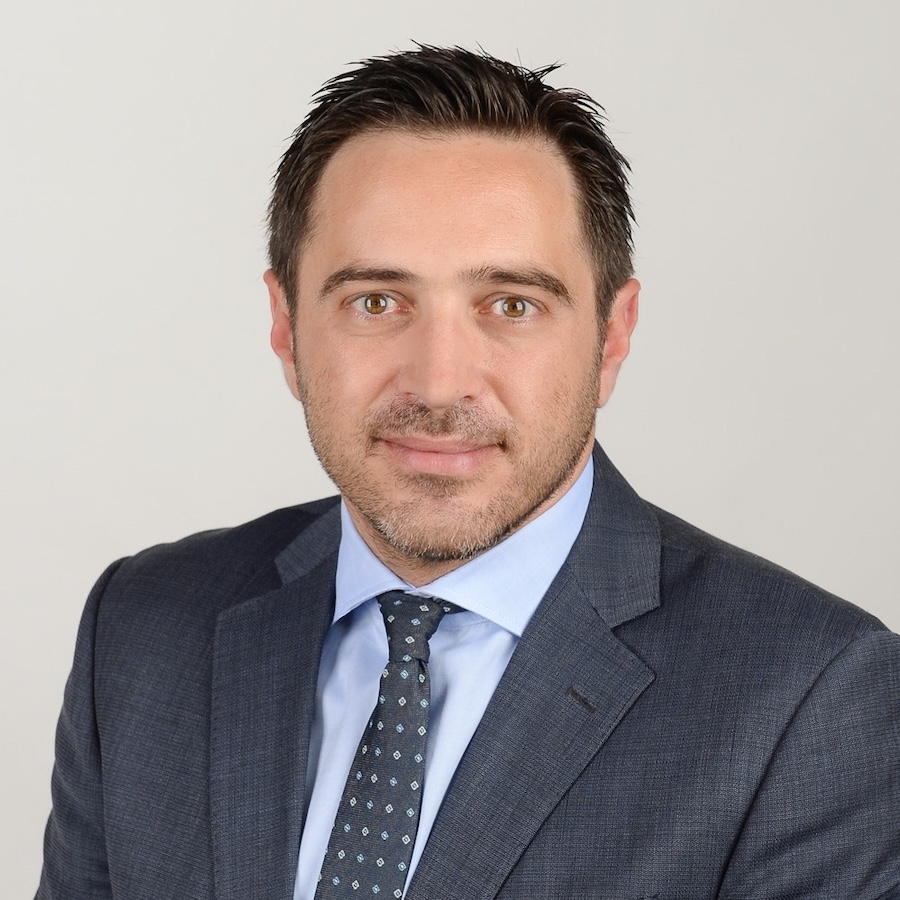 Constantinos RoussisChairman of the Board ESAPE & EADE and Sales Director Allianz ER
Moderator: Nikos Morakis, Chief Editor, Insurance Daily
17:15Closing Remarks
Moderator: Margarita Pournara, Journalist, Kathimerini